



FILMMAKERS MEET THE PUBLIC
Jacqueline Lentzou
Jacqueline (Athens, 1989) is an artist whose cinematic language involves discovering poetry in – seemingly – mundane premises. Her tools are word and image association, the dream-construct, intuition. She experiments with formats, durations and feelings.
Through her work she discusses non-traditional family systems, loneliness, duality and oneness, love, and most importantly, the lack of it. A London Film School graduate (2013), Jacqueline has written and directed five short films up until now, all of them having a rather successful festival career having premiered at Locarno, Toronto, Berlin, Cannes. She is the recipient of numerous prestigious awards, including the Cine Leica Discovery Award by Semaine de La Critique for Hector Malot: The Last Day of the Year (2018).
FILMOGRAPHY
Moon, 66 Questions
The End of Suffering (μικρού μήκους)
Hector Malot: The Last Day of the Year (short)
Hiwa (short)
Fox (short)
Thirteen Blue (short)
Feature Film Screening with Q&A
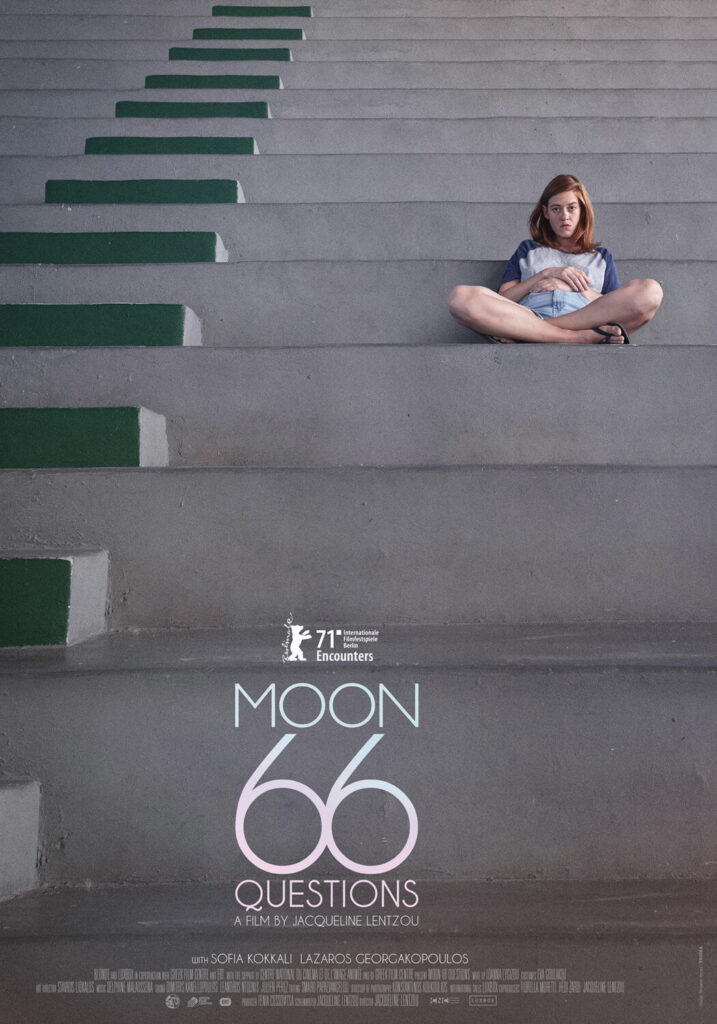
Moon, 66 Questions (2021)
Synopsis: After years of distance, Artemis has to get back to Athens due to her father’s frail state of health. Discovering her father’s well-kept secret allows Artemis to understand her father in a way she was not able before.
Short Film Screenings – TRIBUTE: Jacqueline Lentzou
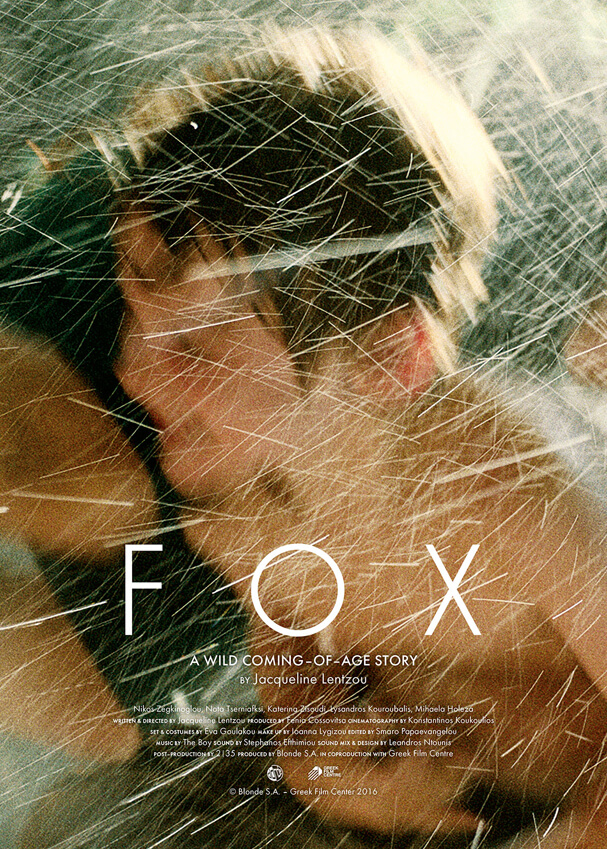
Fox (2016)
Synopsis: After another fight with his mother, Stefanos is left alone to take care of his two younger siblings and Lucy, their sick dog. Summery laziness, adolescent flirt and a phone that stays unanswered. Stefanos picks it up, only to realize that this was the last carefree day of their lives.
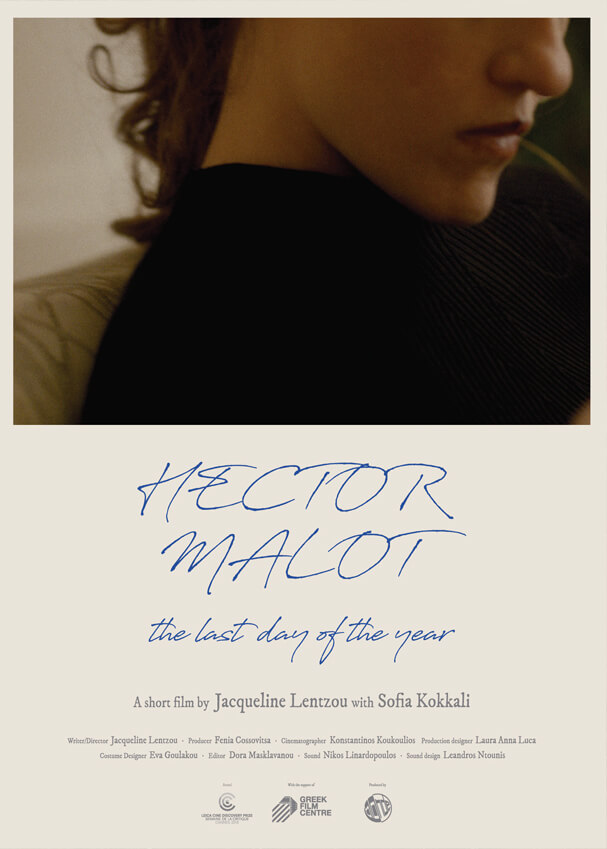
Hector Malot: The Last Day of the Year (2018)
Synopsis: New Year’s eve dawns in a moon-kissed car, and Sofia has a dream that she tells no-one: while walking on a desert, she gets to know that she is sick. She pretends she does not care. Has she lost her heart?
PHILOSOPHERS MEET THE PUBLIC
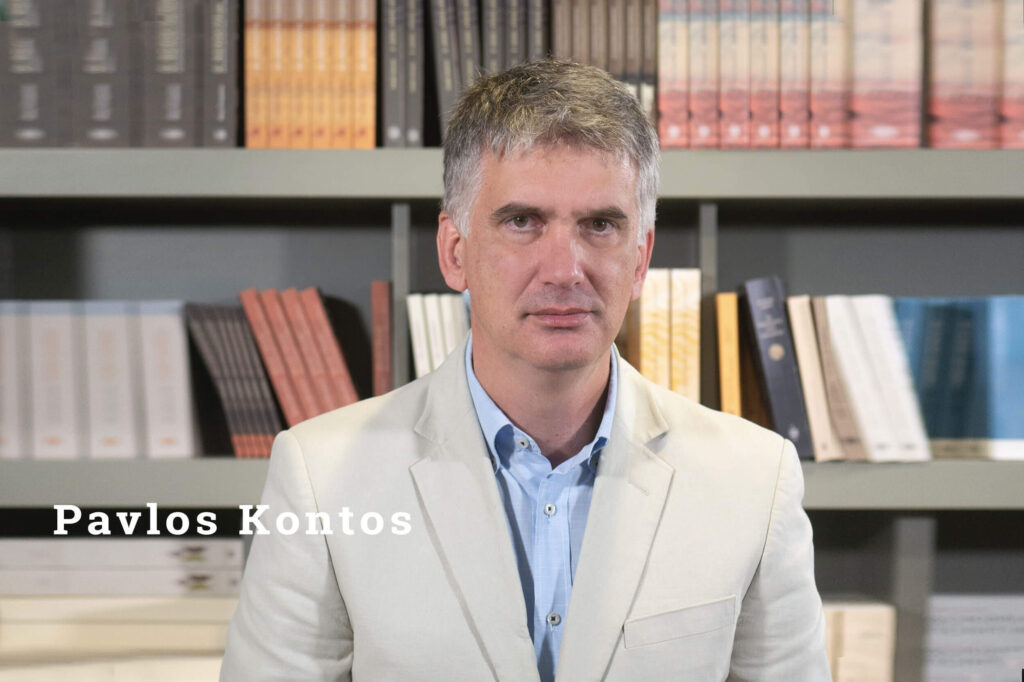
Pavlos Kontos
Pavlos Kontos is Professor of Philosophy at the University of Patras. He studied philosophy and film and has served as a Visiting Professor at academic institutions in Europe, the United States, and China. He has been awarded fellowships by leading international research institutions, including the Stanford Humanities Center (2023–24), the National Humanities Center (North Carolina, 2017–18), and the Humboldt Foundation (since 2007).
Screening of the Golden Lion–winning film The Return (Russia, 2003), directed by Andrey Zvyagintsev.
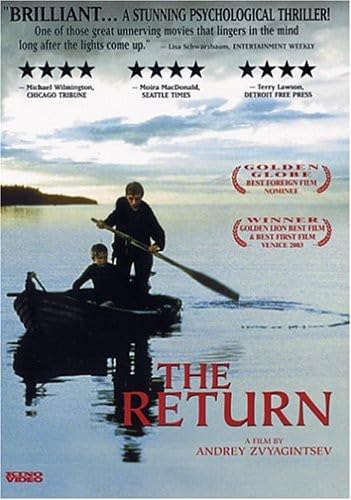
Zvyagintsev’s debut feature was awarded the Golden Lion at the Venice Film Festival (2003) as well as the Fassbinder Award, and is widely regarded as one of the most important films of the 21st century.
The film explores the relationship between a father and his two sons, following the father’s return after a twelve-year absence. The lives of the two young brothers are abruptly upended by the reappearance of this almost unknown—and ultimately authoritarian—figure, whom they remember only from an old photograph.
Pavlos Kontos – “The Return: When Bazin and Zvyagintsev Opened the Family Album”
The film is compelling both in its cinematic form and in its profound human depth. It defies easy categorization: is it poetic, realist, a road movie, a drama, a coming-of-age story, folklore, or a work of cinematic mysticism?
In the director’s own words, it depicts “the metaphysical embodiment of the soul’s movement from the Mother to the Father.” Or, as one critic has observed, “three left, two returned—and what unfolds in between is something of strange beauty.”
The discussion will develop along three axes: (a) analysis of the film’s cinematic language, (b) philosophical interpretation, and (c) as suggested by the lecture’s title, an exploration of the idea that the renowned French film critic André Bazin would have recognized the film as an outstanding example of cinematic realism.
PHILOSOPHΥ talks
Scott Walden
Scott Walden is Professor Emeritus of Philosophy at Nassau Community College in New York and holder of the Michelis Chair at the Department of Philosophy of the University of Crete, acad. year 2026–2027. He is the editor of the volume Photography and Philosophy: Essays on the Pencil of Nature and his research focuses on issues in the philosophy of art and mind, with an emphasis on photography. His philosophical interests are reflected in his photographic work, which has been honored with the Duke and Duchess of York Prize in Photography (2007) from the Canada Council for the Arts (2007).
Lecture by Scott Walden: On the Ethics of Photographic Portraiture
Synopsis: Arthur Danto famously condemns Richard Avedon for depicting the transgender Warhol associate Candy Darling in a way that violates her desire to be presented as female, contrasting this portrait with one by Peter Hujar that instead respects her desire. In this talk, Scott Walden interprets Jerry Fodor’s understanding of art as involving a Kantian ethical component, one that requires that the artist and their audience to treat one another as ends. He then extends this ethical requirement to the relationship between a portraitist and their subject and concludes that Danto is wrong to condemn Avedon for violating Candy Darling’s desires, but right to condemn him for treating her as a means.
The lecture will be given in English.