



FILMMAKERS MEET THE PUBLIC
Jacqueline Lentzou
Jacqueline (Athens, 1989) is a lens-based artist, writer and film director. Her cinematic language involves, among others, discovering poetry in -seemingly- mundane premises. A London Film School graduate (2013, distinction) Jacqueline was quick to unravel her idiosyncratic style which includes sourcing from and/or discussing the dream construct, intuitive knowing, slow watching and word and image association. Thematically interested in liminality, loneliness, love, and most importantly, the lack of it, Jacqueline consciously brings playfulness into her approach. Working with digital, analog and film cameras, Jacqueline is interested in combining formats, durations and tones aiming to capture the multidimensionality of the human experience.
Her work has screened in Cannes, Berlinale, Locarno and Toronto IFF and has received numerous prominent awards. She won, among others, Best Film by Cinema and Gioventu Jury in Locarno for FOX (2016), the Leica Cine Discovery Award by Semaine de La Critique- Cannes for Hector Malot: The Last Day of the Year (2018), the Golden Hugo in Chicago IFF for The End of Suffering (A proposal) (2020), as well as the Grand Prix in Reykjavik IFF and Sevilla IFF for Moon, 66 Questions (2021), her debut feature which premiered in Berlinale Encounters Competition. In July 2022, Moon, 66 Questions was announced as New York Times’ Critics’ Pick.
Retrospectives on her full body of work have taken place in Montreal, Vienna, Ghent, as well as in London, in the historic ICA (Institute of Contemporary Art), in June 2022. Her work has been featured in high-profile curatorial websites, such as Mubi, Le Cinema Club and E-flux. She has screened her work twice at the MoMa (New Directors/New Films) (2019, 2021) and her feature film got curated by the Garage Museum of Contemporary Art in Moscow.
Jacqueline reached the three finalists for the prestigious Rolex Mentor&Protegé scheme 2022-2024, and she was honored to have a meeting with Master Jia Zhangke. The same year she was awarded the New York Onassis fellowship. With her sophomore feature under working title: ‘A Day in the Life of Jo: Chapter Phaedra’, she won the cinematic vision award by ARRI in the TFL 2024, and then participated in Cannes Next Step II.
FILMOGRAPHY
Moon, 66 Questions
The End of Suffering (μικρού μήκους)
Hector Malot: The Last Day of the Year (short)
Hiwa (short)
Fox (short)
Thirteen Blue (short)
Feature Film Screening with Q&A
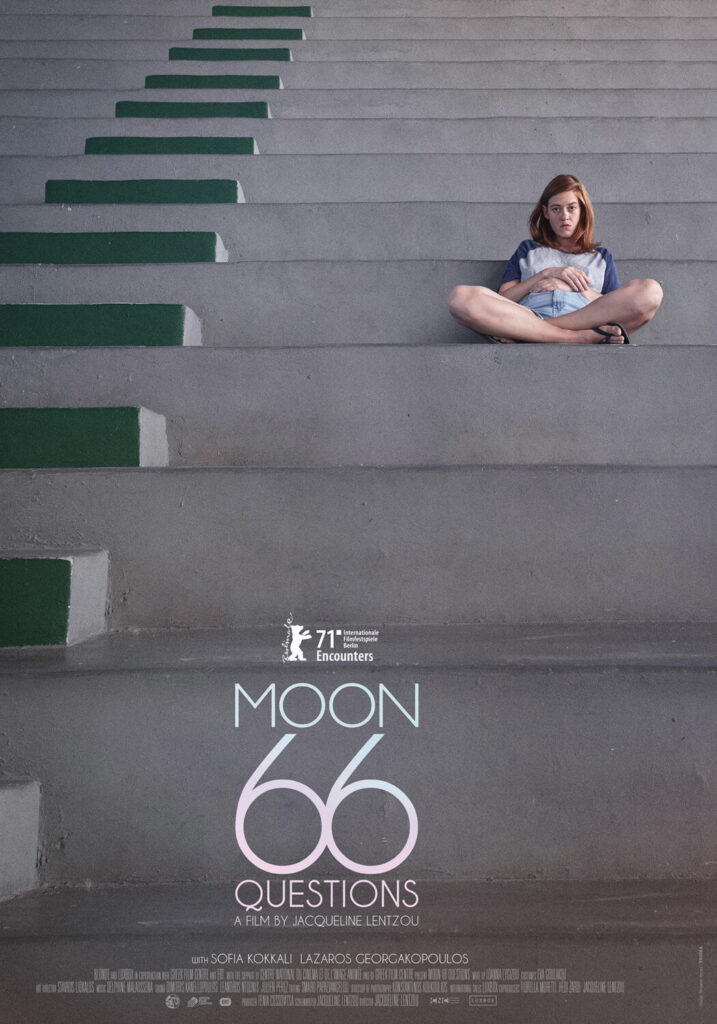
Moon, 66 Questions (2021)
Synopsis: After years of distance, Artemis has to get back to Athens due to her father’s frail state of health. Discovering her father’s well-kept secret allows Artemis to understand her father in a way she was not able before.
Short Film Screenings – TRIBUTE: Jacqueline Lentzou
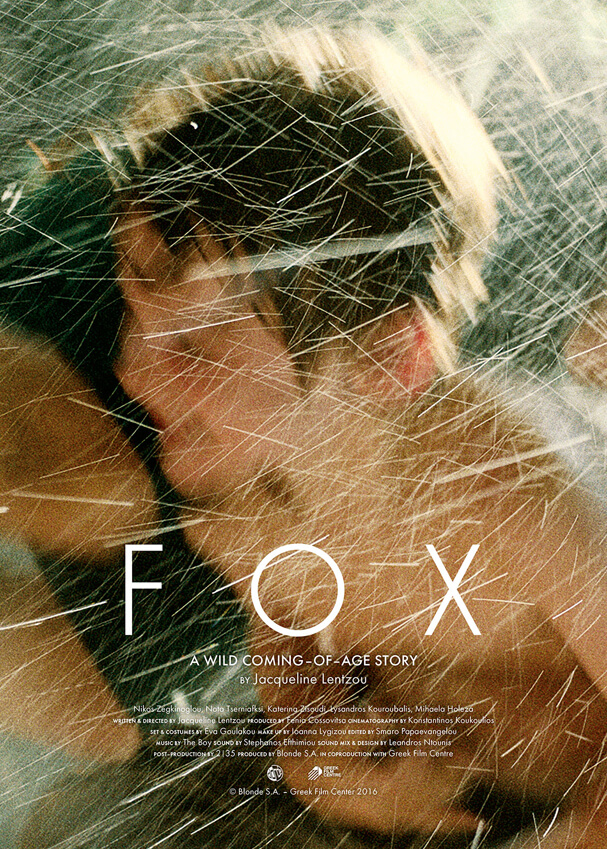
Fox (2016)
Synopsis: After another fight with his mother, Stefanos is left alone to take care of his two younger siblings and Lucy, their sick dog. Summery laziness, adolescent flirt and a phone that stays unanswered. Stefanos picks it up, only to realize that this was the last carefree day of their lives.
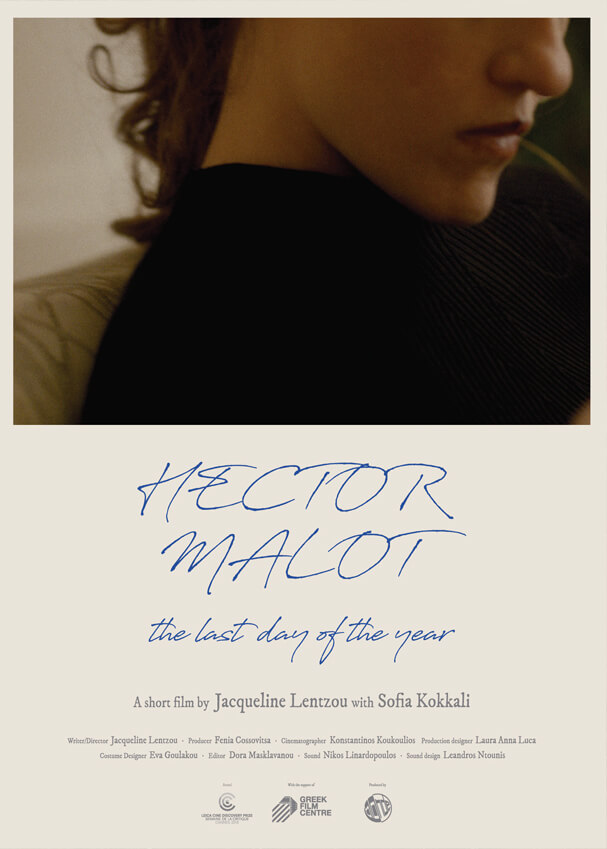
Hector Malot: The Last Day of the Year (2018)
Synopsis: New Year’s eve dawns in a moon-kissed car, and Sofia has a dream that she tells no-one: while walking on a desert, she gets to know that she is sick. She pretends she does not care. Has she lost her heart?
PHILOSOPHERS MEET FILM
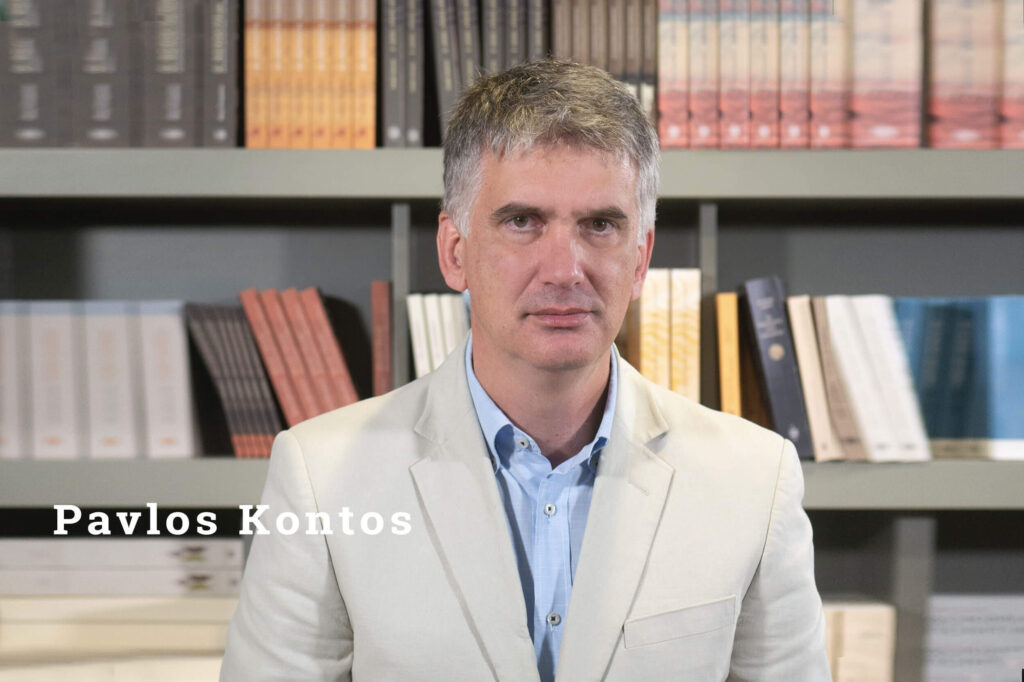
Pavlos Kontos
Pavlos Kontos is Professor of Philosophy at the University of Patras. He studied philosophy and film and has served as a Visiting Professor at academic institutions in Europe, the United States, and China. He has been awarded fellowships by leading international research institutions, including the Stanford Humanities Center (2023–24), the National Humanities Center (North Carolina, 2017–18), and the Humboldt Foundation (since 2007).
Screening of the Golden Lion–winning film The Return (Russia, 2003), directed by Andrey Zvyagintsev.
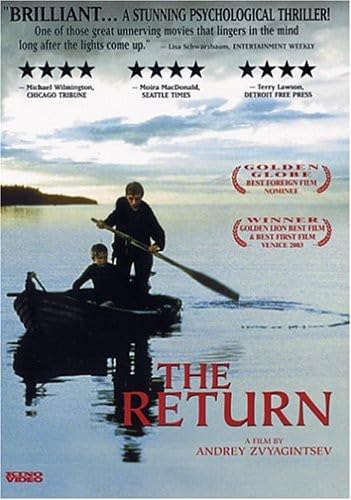
The Return (2003)
In the Russian wilderness, two brothers face a range of new, conflicting emotions when their father – a man they know only through a single photograph – resurfaces…
FESTIVAL PICKS
Quiet Life
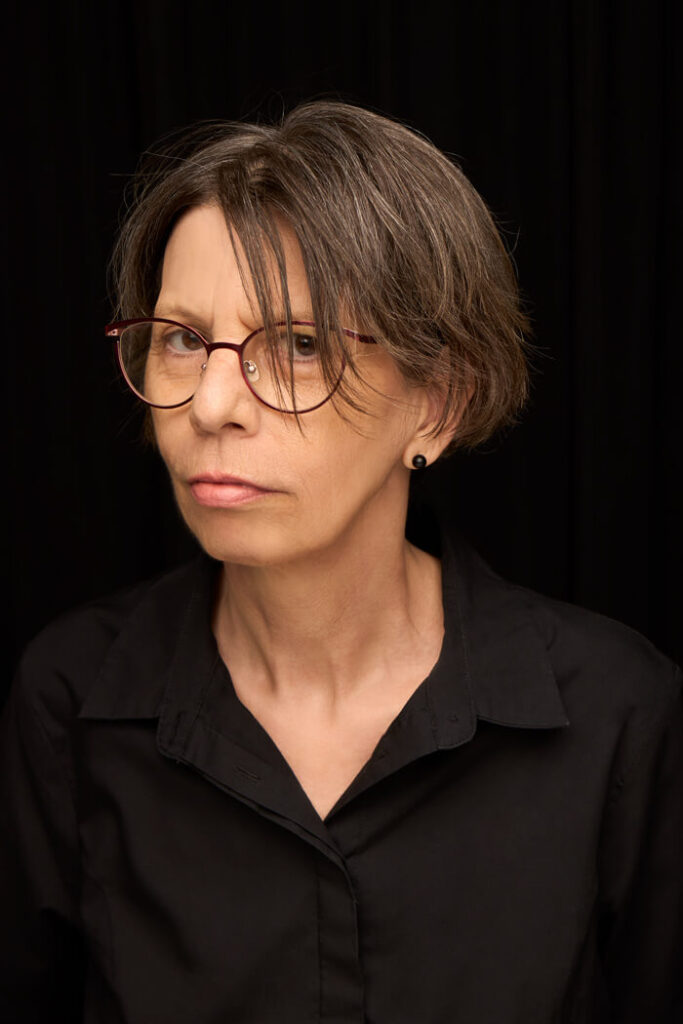
Olympia Mytilinaiou
Olympia Mytilinaiou is a cinematographer based in Athens, Greece. She is a member of the Greek Society of Cinematographers (GSC), IMAGO, the ICF+C, WIC. She is also a member of both the European and Hellenic Film Academies.
Her work spans feature and short films, documentary, and video art, recognized for its emotional depth and visual precision.
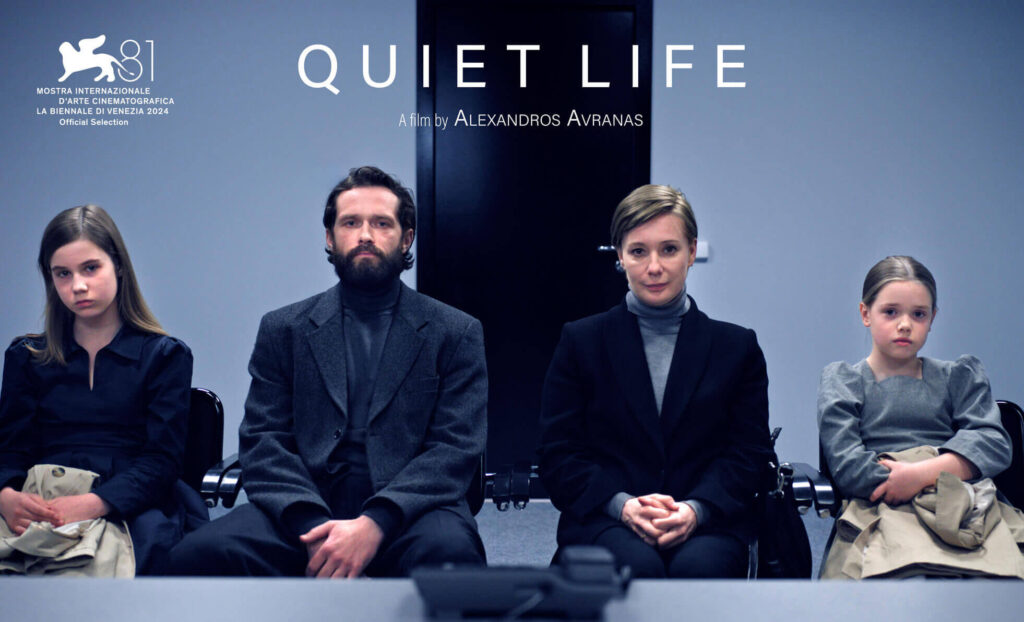
Quiet Life (2024)
Sweden, 2018. A mysterious syndrome affecting refugee children is sparking concerns among doctors and politicians. Sergei and Natalia have been forced to flee from their native country after an attack that almost took Sergei’s life…
PHILOSOPHΥ talks
Scott Walden
Scott Walden is Professor Emeritus of Philosophy at Nassau Community College in New York and holder of the Michelis Chair at the Department of Philosophy of the University of Crete, acad. year 2026–2027. He is the editor of the volume Photography and Philosophy: Essays on the Pencil of Nature and his research focuses on issues in the philosophy of art and mind, with an emphasis on photography. His philosophical interests are reflected in his photographic work, which has been honored with the Duke and Duchess of York Prize in Photography (2007) from the Canada Council for the Arts (2007).

Αrthur Danto famously condemns Richard Avedon for depicting the transgender Warhol associate Candy Darling in a way that violates her desire to be presented as female…
The lecture will be given in English.